

Dancing With the Dark
Reclaiming the Shadow through Creativity

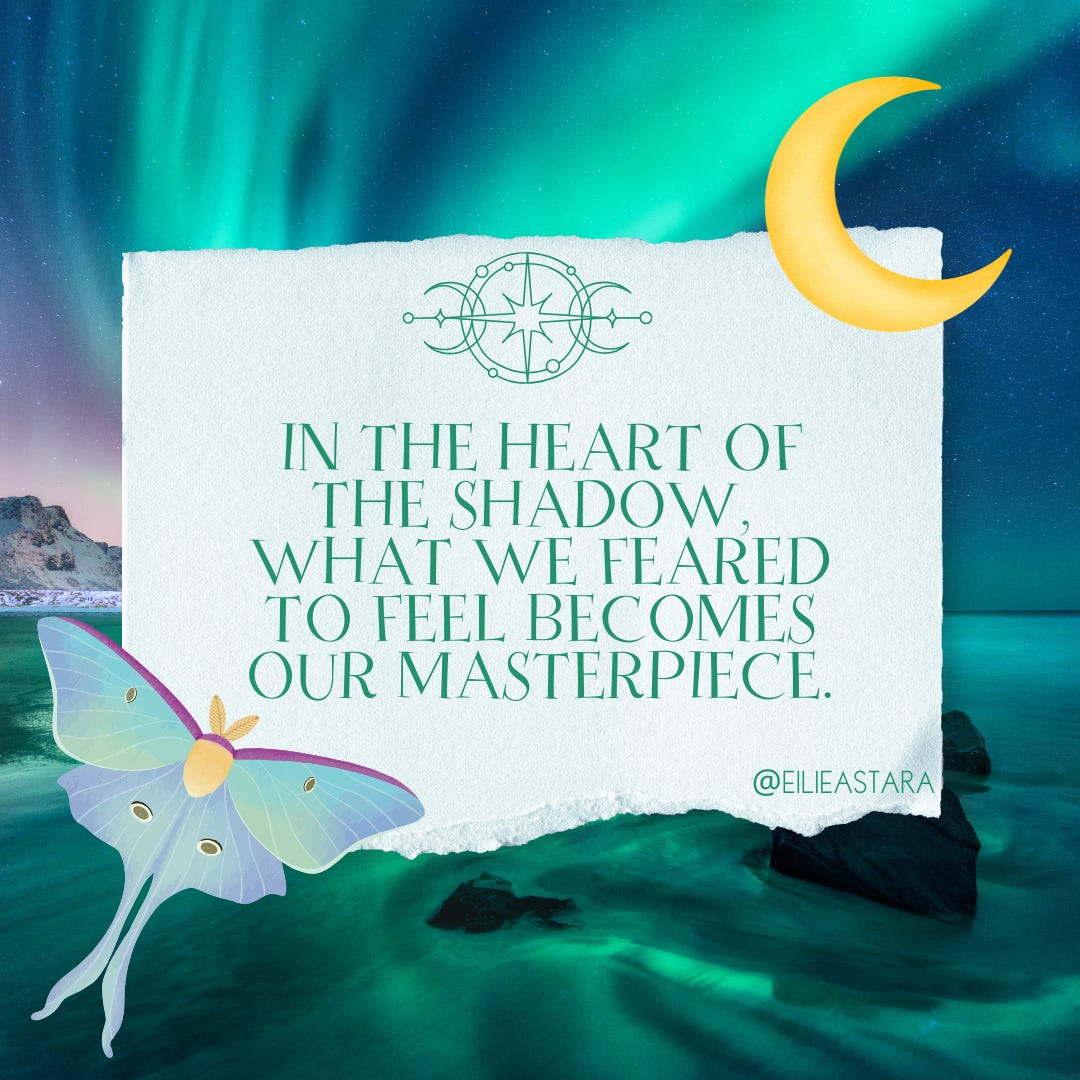
The Shadow & the Creative Journey
There are moments in our lives where the light becomes overshadowed by darkness. The page in our story feels heavier. Our pencil hesitates to make a mark. The inner voice becomes critical. What once felt like creative flow now feels like swimming against the current. We often resist the shadows that crop up on our path, instead of learning to harvest the wisdom they carry.
The psychologist Carl Jung described the Shadow as the hidden parts of ourselves. It is composed of the traits, fears, desires, wounds, and rejected emotions we push deep down into our subconscious mind. It is composed of everything we were told was too much or not enough. The Shadow contains everything we feel is unsafe to express so we bury it in order to belong. Yet, the Shadow never truly disappears. It waits in the darkness for its moment in the light.
Creativity is a safe place to explore the Shadow and give it a voice. No matter how much we may resist, it will be heard one way or another. When we provide a means of expression to explore ‘ugly’ emotions, this empowers the voice of the Shadow. It provides a sense of belonging, safety, and acceptance. We are no longer running from it. This is the moment we turn to face what demands to be heard.
Why the Shadow Appears When We Create
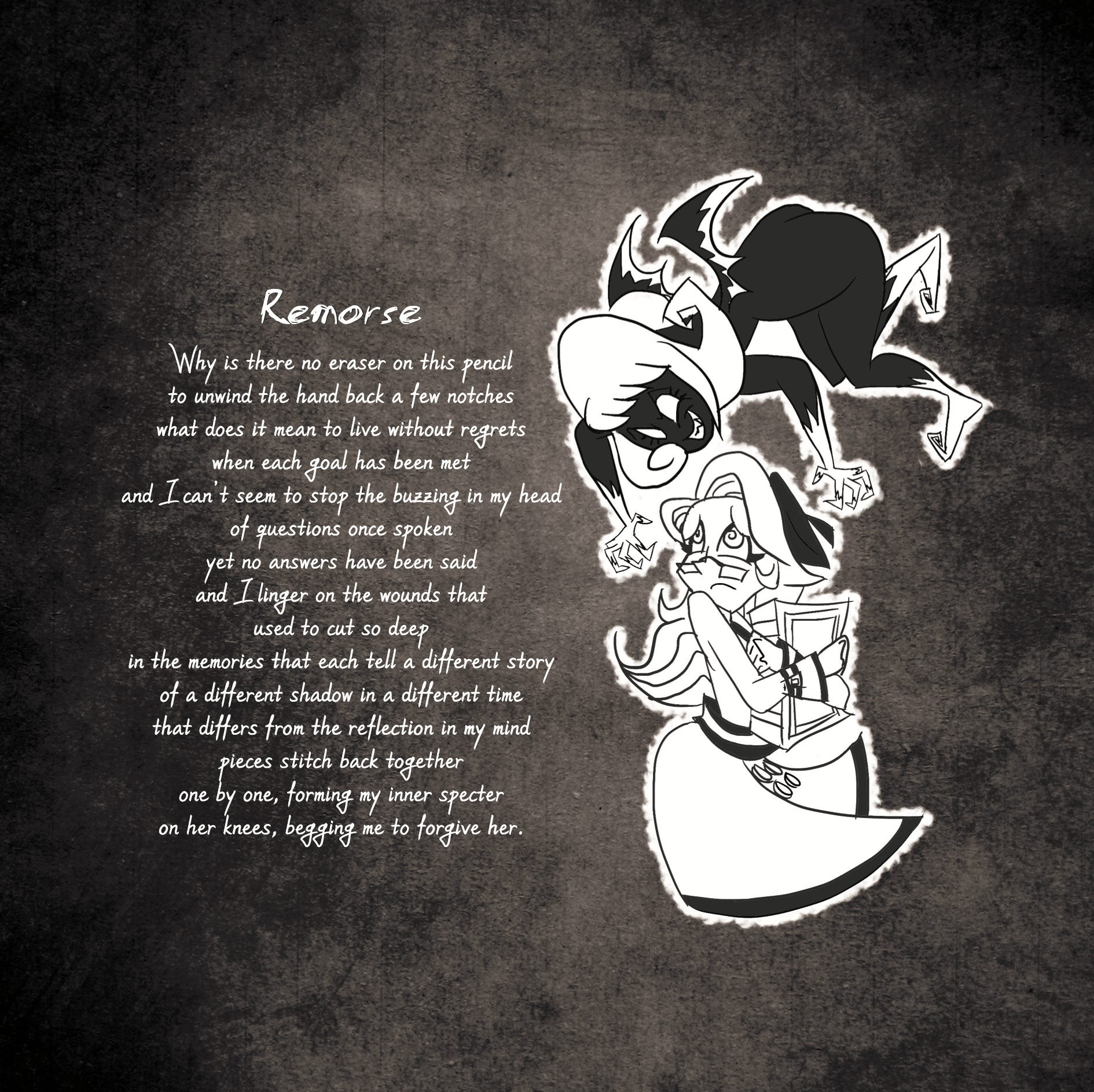
When we create, we reveal a hidden truth to share with the world. Art asks us to be seen as we are. It asks us to shed our skin and risk exposure as a token from our spirit. It begs for sincerity and vulnerability. The moment we begin to express ourselves authentically, the quiet parts of us begin to stir and old fears arise. Thoughts like What makes you so special? and What if you are not enough? pop up for us to face. We may not have any answers so we shrink in response.
These voices are not proof that we are flawed and incapable. They are the Shadow simply protecting old wounds by keeping us small and safe. Leaving our comfort zone presents a threat and the Shadow is simply trying to protect us from that. The creative practice is not only about producing beautiful things. It is about meeting the parts of ourselves that tremble in the light, so they, too, can grow along with us in this journey.
The Shadow Is Not the Enemy
Jung believed the Shadow was not evil. It simply is the unconscious mind. What remains unconscious ends up controlling us. When we fail to face the hidden parts of ourselves, it manifests as perfectionism, procrastination, comparison, paralysis, and harsh self-criticism. Facing our Shadow gives us our power back and puts us in control.
When we explore our Shadow with a curious mind, it softens. We discover that every fear contains a deeper truth: a longing to be accepted, a desire to be safe, and a wish to be seen and celebrated as we are. The same Shadow that whispers doubt also holds immense creative potency. It contains our raw emotions, our depth, and unfiltered truth. This is the very material that art is made from.
Turning Shadow Into Gold
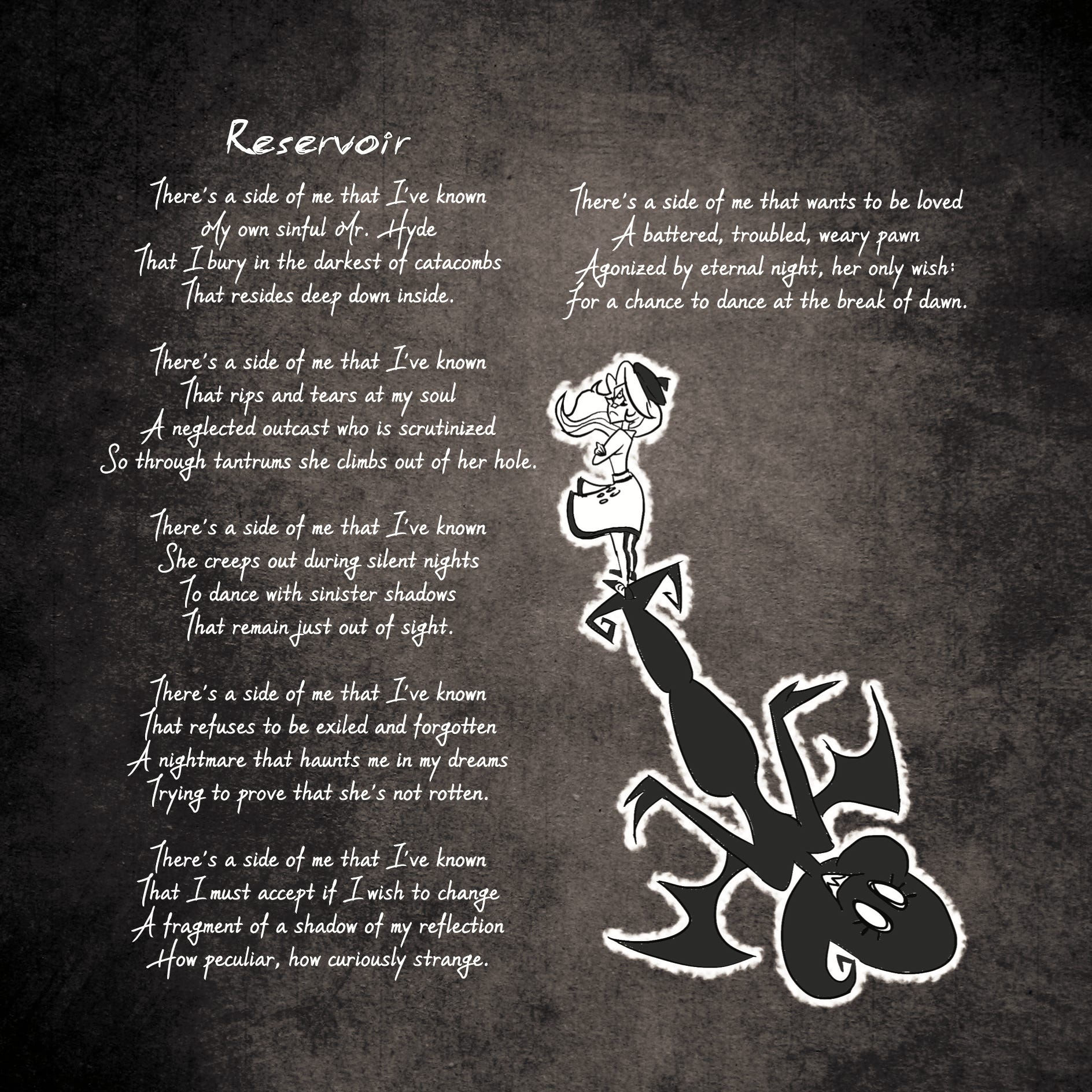
Jung spoke of individuation, which is the lifelong process of integrating all parts of ourselves. This isn’t about erasing the darkness, but weaving it into our conscious mind. This is what creative alchemy is all about. When we paint our grief, write our anger, dance our longing, and sing our shame, we are integrating our Shadow. We are saying that these parts of ourselves belong here, too. Every act of honest creation is also an act of Shadow integration.
The more we allow ourselves to express what was once hidden, the more whole we become. By giving a voice to the voiceless parts of ourselves, we begin to accept all parts of ourselves. The more healed we are, the more authentic our art becomes. Our light only grows stronger when we have learned to befriend our darkness. It becomes a healing ritual.
The Gift Hidden in the Dark
The irony of the Shadow is that the qualities we suppress often become our greatest artistic strengths once we reclaim them. The parts of ourselves that were deemed too emotional as a child becomes the powerful storyteller archetype. Those who are labeled as too sensitive become intuitive creators, giving words to emotions that are difficult to express. The individuals who are seen as too intense become fearless truth-tellers, giving a voice to things that need to be said.
What we hide holds power. Creativity is the container to transform it. The Shadow is not a detour from the creative journey or an obstacle blocking our progress. It is a part of the initiation of our practice. When we dare to meet the Shadow with compassion, the roots of our art deepen. We find our voice and our strength once we meet all parts of ourselves with honesty, compassion, and acceptance.
Then, what once felt like darkness becomes our depth.
Meeting the Shadow in Practice
Find a quiet space. Sit with your journal. Take three slow breaths. Allow your body to soften. Write at the top of the page: Dear Shadow… Then, meditate on the area in your creative life where you feel resistance.
Allow the voice of your fear to speak freely on the page. Do not censor it. Allow it to say everything that it has been holding in.
Journal on these questions:
What are you afraid of?
What is this fear protecting?
What part of me feels unsafe right now?
When did I first learn this story?
What part of me needs my compassion and forgiveness?
Then, on a new page, respond from your compassionate self: Thank you for trying to protect me… Reassure these parts of you. Speak to them from your older, wiser, safer self, reminding your fear that you are capable now.
Journal on these questions:
Imagine your Shadow as a younger version of you. What does it need to hear?
What strength is hidden inside this fear?
If this Shadow held a gift, what would it be?
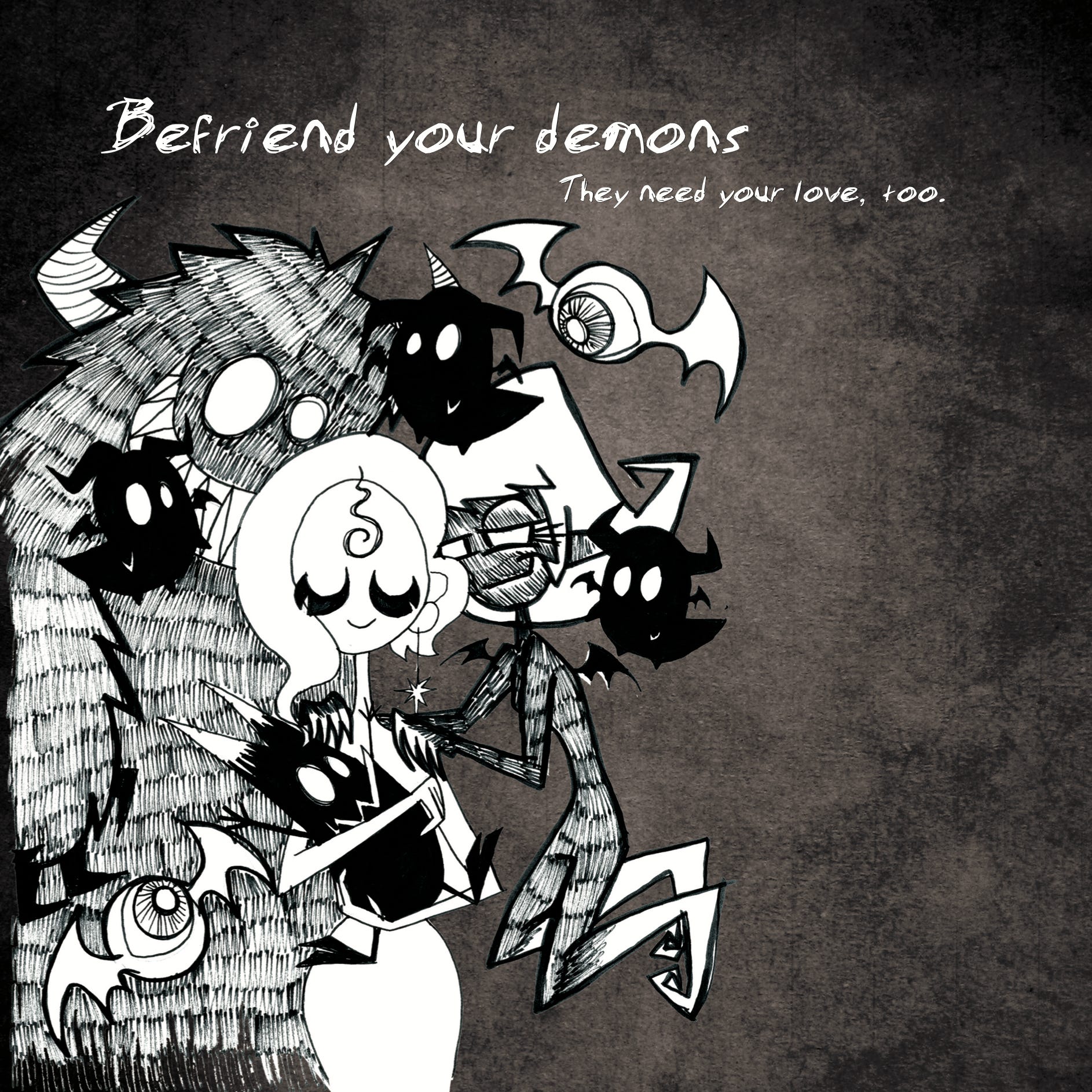
This is the beginning of integration. When we stop fighting our Shadow, energy once spent on self-attack becomes available for creation.
The Shadow does not want to sabotage our creativity. It wants to collaborate with us.